Probiotics are one of the fastest-growing supplement categories, and capsules are the most popular way to deliver them. But live bacteria are fragile: moisture, heat and oxygen all reduce the count of viable organisms over time. This guide covers the key formulation, capsule and packaging choices that keep a probiotic capsule on label claim until its expiry date.
The short answer
Keep water away from the bacteria. Use a dry probiotic powder with low water activity, choose an appropriately sized hard gelatin capsule, fill in a low-humidity room, pack in moisture-protective containers with desiccant, and confirm the colony-forming unit (CFU) count through stability testing.
Why moisture is the main challenge
Freeze-dried probiotic bacteria survive best when the surrounding moisture is very low. Hard gelatin capsule shells naturally contain about 13 to 16 percent water, which keeps them strong and flexible. In a sealed pack, some moisture can move between the shell and the powder until they balance. Good formulation and packaging keep that transfer small, so the bacteria stay stable.
Formulation essentials
| Factor | Good practice |
|---|---|
| Probiotic powder | Use freeze-dried strains with low water activity from a reputable supplier |
| Excipients | Choose dry, low-moisture fillers and flow aids; avoid hygroscopic ingredients |
| Overage | Add enough extra CFU at manufacture to stay above label claim at expiry, based on stability data |
| Prebiotics | If adding fibres such as inulin, check their moisture content first |
| Fill weight | Match the dose to the right capsule size; see our capsule size calculator |
Choosing the capsule
- Size: size 0 and size 1 are the most common for probiotics.
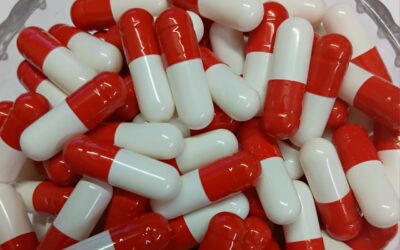
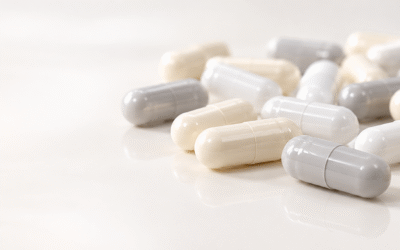
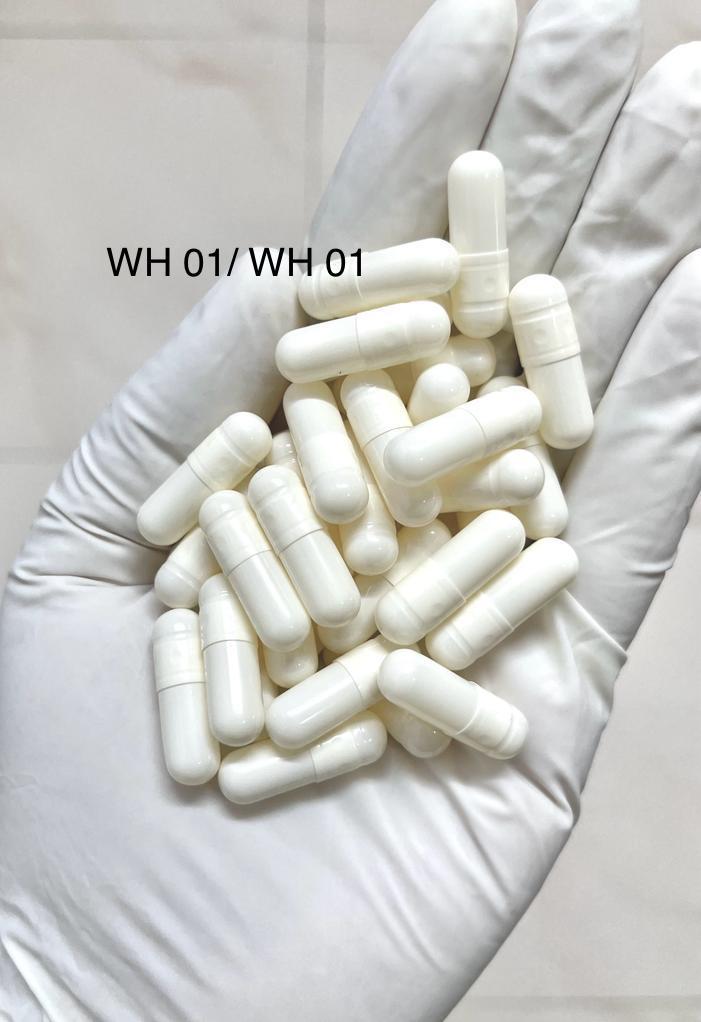
- Colour: opaque shells shield the contents from light and look clean on the shelf.
- Quality: consistent moisture and dimensions within specification. Ask for a certificate of analysis for each batch.
- Storage before filling: keep empty capsules sealed at 15 to 25°C and 35 to 65 percent relative humidity. See shelf life of empty gelatin capsules.
Filling and packaging
- Fill in a humidity-controlled room to limit moisture pick-up by the powder.
- Minimise the time open powder and filled capsules spend exposed to air.
- Pack in moisture-protective bottles with a desiccant, or in high-barrier blister packs.
- Seal promptly and label any storage conditions the product needs, such as refrigeration.
Prove it with stability testing
The only reliable way to set a probiotic's shelf life is to measure CFU counts over time in the final pack under the intended storage conditions. Test at the start, then at regular intervals, and set the overage so the count stays above the label claim until expiry.
For more on capsules for supplement brands, read hard gelatin capsules for nutraceuticals and how to fill empty capsules.
Frequently asked questions
Can probiotics be filled into hard gelatin capsules?
Yes. Hard gelatin capsules are widely used for probiotics. Use a dry, low water activity probiotic powder, protective packaging with desiccant, and confirm stability by CFU testing.
What capsule size is best for probiotics?
Size 0 and size 1 are the most common, depending on the dose and powder density.
Why do probiotic CFU counts drop in capsules?
Mainly because of moisture, heat and oxygen. Controlling water activity, packaging and storage keeps losses low.
How should probiotic capsules be packed?
In moisture-protective bottles with a desiccant or in high-barrier blisters, sealed promptly after filling.
Developing a probiotic capsule?
Get samples of empty hard gelatin capsules in your size and colour for stability trials.
Request samples